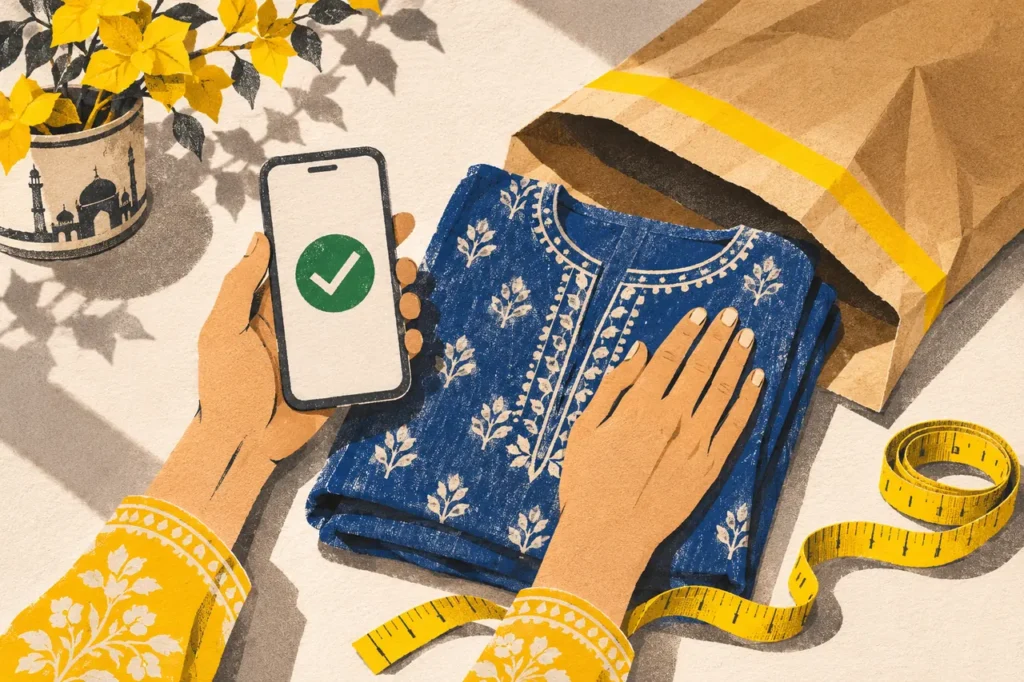
Picture a shopper in Lahore buying a lawn suit on her phone. She reaches checkout, chooses a digital payment and sees a QR code on the same screen. What does she do next? Before adding Raast to your online store, try paying for one of your own orders from start to finish on a single phone. That exercise can tell you more about your checkout than a week of watching ad clicks.
For a Pakistani ecommerce store that already offers cash on delivery (COD), a sensible first test is to keep COD available and offer Raast as a second choice. The question is whether more shoppers reach delivery and keep their orders at a margin the store can afford.
What Pakistan’s payment figures tell a store owner
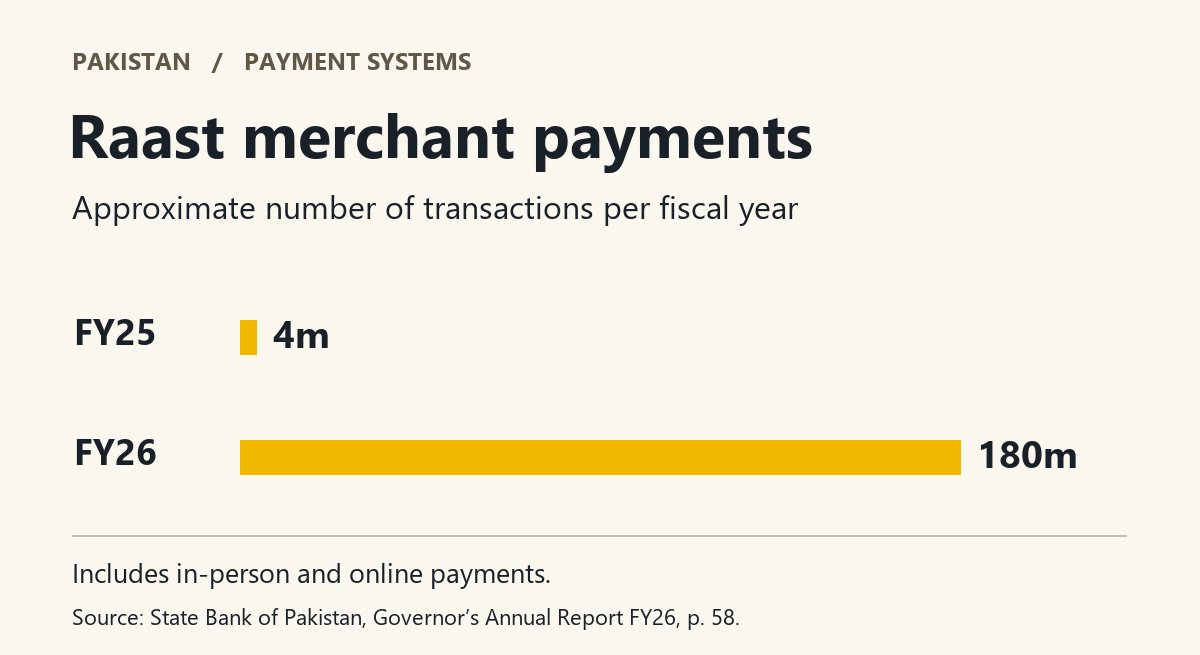
The State Bank of Pakistan recorded about 4 million Raast person to merchant transactions in FY25 and about 180 million in FY26. That count includes payments at physical locations. An online clothing store still has to find out how many of its own shoppers will choose to pay before delivery. State Bank of Pakistan, Governor’s Annual Report FY26, page 58.
What to ask your Raast payment provider
Raast P2M means a payment from a person to a merchant. The State Bank lists several ways to take one, including a merchant alias, static or dynamic QR codes, and Request to Pay. Ask your bank or gateway to demonstrate the options it actually supports for your store platform. Get its fees, settlement timing and refund process in writing before changing your checkout. SBP’s Raast merchant payment guide.
Give the provider a concrete example. Two customers each buy a shirt for Rs 3,200 within the same minute. Can your team see which payment belongs to which order? What happens if one customer closes the browser after paying? A provider confirmation that includes the order reference gives the packing team a dependable point at which to release that parcel. A screenshot sent over WhatsApp still needs checking against the merchant record. SBP’s circular on merchant payment confirmations.
Walk through checkout on one phone
Start where your customer starts. Open a product link from an Instagram ad or WhatsApp message. Choose a size and add your delivery address. Check that the final amount, delivery charge and exchange terms are visible before the payment choice. Write down the first moment you have to guess what to do.
Switch apps and come back. If your gateway supports a payment request or another same phone route, follow it into the banking app. Return to the store. Does the order page remember the basket and show whether payment went through? If a QR is the only thing on screen, ask the provider to show how a shopper can complete it on that device.
Try the awkward cases. With the provider’s test environment, let a request expire and try tapping the payment button twice. Check that staff see one order, know what remains pending and can explain what to do next. Walk a refund through as well. Your support team should be able to give a customer a reference and a realistic timeline.
Measure kept orders per 100 checkout starts
If traffic permits, randomly split eligible checkout sessions between your existing COD checkout and the same checkout with a Raast option. Keep the product, delivery area, prices and promotions the same. If you use consecutive weeks instead, record payday, stock changes and campaign changes before drawing conclusions.
Suppose 100 checkout starts with COD produce 42 orders and 32 are delivered and kept. Another 100 starts with both payment choices produce 39 orders and 34 are kept. Counting orders placed would favour the first group. Counting kept orders gives the second group a two order lead. These are illustrative numbers. At that scale a few late returns could change the result.
Wait until both groups have passed your usual return window. For each group, total the money collected and subtract product cost, shipping in both directions, payment fees and any prepaid discount. Compare what remains per 100 checkout starts. A prepaid discount can erase the saving from fewer refused parcels. Our guide to COD returns and delivered ROAS covers the same distinction on the advertising side.
When to keep the new payment option
Keep offering Raast if customers can complete it on their phones, staff can match and refund payments, and the numbers stay favourable across enough completed deliveries. If people start a payment and abandon it while returning from their banking app, fix that handoff before spending more to send shoppers there.
If you want a second pair of eyes, bring one anonymised checkout recording and a week of order totals to CueMatrix’s ecommerce team in Lahore. Those two items give us a concrete place to start.